
A decluttering experiment

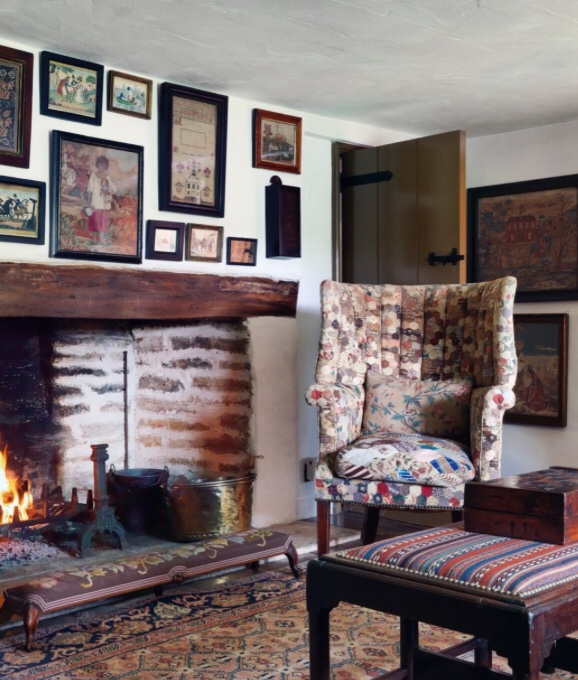
I’m conducting an experiment to see whether an uncluttered home is easier to keep clean and tidy.

My decluttering journey started because I was desperate to pursue my passions and creativity rather than tidying up and cleaning. I’m not interested in having a show home or become a perfect home maker, but using time wisely and reducing stress is important to me.

Why clean up for guests?

All my life I have only ever known the ‘frenzied tidying up for three hours’ method of preparing for guests, which mainly involved moving stuff from A to B and stuffing things in cupboards. My friends are not judgy or obsessed with cleaning, but when they come to my home I want to respect them by hosting in a clean tidy house. Three reasons I clean up for guests:

1 respect  

2 hygiene  

3 minimise stress

An uncluttered house is supposed to be easy to clean. When friends came to dinner last night I made a note of everything I felt I needed to do before they arrived (bear in mind my house is fairly uncluttered). I was suprised by the brevity of tasks:

1 quickly clean loos (I like them to be sparkling white)
2 empty and wash kitchen bins (built-in bins for recycling, compost, landfill)

That was it. No hoovering, picking up magazines, books, jackets, shoes, No puffing up cushions, hiding laundry, hurriedly washing up or clearing paperwork away. Everything was in its place and I had hoovered the day before (easy when there’s nothing to move off the floor).

Sisyphean housework or a delcuttered home?

My experiment shows that a decluttered home reduces the need to tidy up and clean. Further tweaks I will make include checking the sparkliness of the loos everyday and emptying the kitchen bins before they’re full. It’ll take 10 minutes. These will be two fewer things to do before guests arrive. My ultimate aim is to not have to do ANYTHING before guests arrive!

I’m looking for liberation from housework (but I’m not one of those people who can live in a dirty messy house though), so I’m clearing the excess stuff which reduces cleaning time.

My thoughts expand to thinking about decluttering and freeing women from the drudgery of housework. In The Second Sex (1949) Simone de Beauvoir writes “Few tasks are more like the torture of Sisyphus than housework, with its endless repetition, the clean becomes soiled, the soiled is made clean, over and over, day after day.”

Standard

Your home is not a landfill site

The Arctic is melting and plastic sinks deep into the seas. This compels me to think of the environment when clearing space in my home.

I care about the environment (I worked in environmental sustainability – including waste reduction – for large organisations for 11 years).

Knowing where waste ends up and the damage it does, made me feel guilty about sending my decluttered stuff to landfill. Consequently, my excess stuff lived in the recesses of my garage, attic and cupboards.

Then I realised if I postpone getting rid of my junk, it’s destined for landfill eventually (when I leave the country, downsize or die). So now is the best time to send my stuff to landfill so I can enjoy a spacious home NOW.

Of course I still reduce, reuse and recycle as much as possible, but everything else goes to landfill, not my home.

Standard

Getting rid of garden chemicals

Garden clutter can manifest as towers of plastic/terracotta pots, dead plants, unused tools, old bags of coal, left over wood, a broken fridge and dead plants. What stops us from creating space and calm in our gardens? We promise ourselves to take the old chemicals/broken bike/wire/fridge to the recycling centre tomorrow, but we don’t. Because it’s a hassle. What if we took one category of stuff to the recycling centre each week? One category could be chemicals we no longer use (pond cleaner, glue, weed killer, oil, insect killer). It might take an hour to drive to a recycling centre, drop off the chemicals and get back home again. Dealing with our stuff one category at a time is easier than dealing with a mishmash of stuff.

Standard

Sentimental art

After my mum died in 2014, I discovered among her possessions a suitcase stuffed full of my artwork from when I was little. The artwork smelt of mould, the paper was damaged and discoloured. After days of ruminating over what to do with it all, I photographed each picture and put it on the cloud.

For me to be able to move on from the past (and because there was no way I was going to store a huge pile of mouldy pictures in my home), I held a burning ceremony and burnt each piece of artwork except one.

The picture I kept is called ‘Peacock’ which I painted when I was eight. It’s a childlike watercolour that I framed and put on my wall. It reminds me of a phoenix – rising above adversity – and makes me feel happy when I look at it.

I wish my mum had kept five carefully curated and stored pieces of non-mouldy artwork, rather than a huge mouldering pile. Her hoard became my responsibility, and I spent days working out how to emotionally and physically process it all.

When we don’t know what to do with sentimental things, we can ask ourselves: what’s the purpose of the sentimental things stored in our attic, drawer, under the stairs, garage? How will we ensure sentimental things bring value – not a burden – to our kids, grandkids or other family members?

Standard

Red flags to watch out for

Some of us are so used to living in homes full of excess stuff we can’t see it anymore.

Some red flags that tell us we have too much stuff…

We spend too long tidying up before guests arrive

A horrible feeling of shame when someone visits us unexpectedly

In a desperate attempt to clear up, we shove everything in a cupboard

If we are lucky enough to have cleaners we spend hours picking up before they arrive

We postpone cleaning our home because the thought of shifting piles of stuff leaves us feeling mentally drained

To see the excess stuff objectively it helps to take photos of the rooms. Then, go to a coffee shop and while sipping a cappuccino, peruse those photos. They can provide insight into how our possessions became a burden and where we can lighten the load.

Standard